"The Bet"
Read the story "The Bet" by Anton Chekhov on page 967 in the green textbook. Use evidence from the text to support the argument of either the banker or the lawyer. At the close of your enty, explain your thoughts on the unique details of this story. What do you think of the idea, the characters, the outcome...?
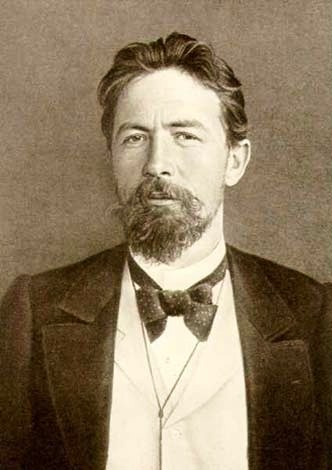
First off, this story is another banger. Russian author's have always been a personal favorite of mine. Now onto the actual prompt. I feel as if the Banker's point is ultimately proven, meaning that the death penalty is more humane than imprisonment for life. While the young lawyer reaches true enlightenment, it ultimately becomes tainted with a disdain for life. I drew this conclusion due to both the physical description of the man ("skeleton... cheeks were hollow... emaciated, aged-looking face"). He has been ravished through his studies of life in solitude. Additionally, he has become "wiser than all of [them]," and yet he "despise[s]… the blessings of this world." I feel that the lawyer became a greater person because of his solitude, but was therefore subjected to great pain realizing the folly of those around him. Perhaps the ultimate point is that enlightenment extracts a heavy toll? I feel that the argument really does not really serve any point, but as a catalyst for the lawyers enlightenment.
ReplyDeleteI really like how the story is laid out. Again, I'm a big fan of existentialist literature, and Russian literature typically is the best form of it. The characters do not matter as much in the grand scheme of the story, as the message at the end takes the center stage. The outcome is satisfying as well. The concept of willingly imprisoning yourself was particularly interesting.
I agree it is a "banger." I do not know any authors' nationalities; therefore, I cannot comment. Anyways, yeah the banker's point seemed to be proven. Wait a minute I think you reached the same conclusions as I did. Well, I didn't care about his appearance because he could've been fed more and he could've exercised—he just chose not to ask for more food and chose not to exercise (it seems). Enlightenment doesn't always extract a heavy toll because remember Buddha? He was pretty happy and nothing fazed him. Well then I guess Buddha's enlightenment is way different from the lawyer's, if you even consider what happened to the lawyer as "enlightenment." The point is probably more like "monotony is bad," because the guy got upset and bored because he couldn't do other things. He did decide to stay in the confinement just to prove his own point, but his point really got nullified by the fact that his quality of life seemed to drop. Also it seems the lawyer wasted his efforts just like how the banker was worried the bet was a waste of effort because it proves nothing because he ended up proving nothing too. He just got smart for no reason. Yeah the story is laid out fine. I don't know about national literature. I agree that about the characters. I guess the outcome is satisfying maybe. The concept is interesting, I agree.
DeleteI shouldn’t decide, but it seems that the banker was more correct in the argument. It seemed like the lawyer became full of hate as, near the end, he kept saying negative things like “I despise your books, I despise wisdom and the blessings of this world. It is all worthless”; moreover, he just fled at the end and gave up the money to “prove” his new point. The lawyer initially thought that being able to live and read forever in solitary confinement would be better than just dying; however, considering how upset the lawyer became over time and how it is uncertain what he did after he fled, it seems that the death penalty would be more morally correct than the solitary confinement. Again, though, people are different so the “nicer” choice could be different per person too.
ReplyDeleteI think this story is pretty good. The idea was interesting for the whole time. I was engrossed for the whole story. The characters are pretty plain and could be biased for whatever the idea they’re trying to convey is, but they’re defined enough to get the situation. The outcome is fine because it is just the author’s opinion on the debate.
I once again see that we share similar opinions. I feel that the lawyer did not care about the bet at the end, as that is how wise he became. Given that our posts are nearly identical, I see no need to elaborate too much. I will say that the lawyer may have been suffering for knowledge, but I do not believe that he was "upset." He became so enlightened that he sought refuge from the very vain and callous society.
DeleteI think the lawyer is "right" even though neither of them are really. First off, they're idiots for debating this and actually making this bet. Second off, the lawyer's original claim is that "the death sentence and the life sentence are equally immoral." He doesn't say one is more immoral than another. I suppose he meant it as: either way, you're going to die. At the end of the story, he gains immense knowledge but ends up looking like "a skeleton" and almost dead. He recognized that the life sentence will provide death, and so will execution. He wished he were at the end of his sentence but at least he got something out of it in the end. But his original point that death is inevitable either way is true. Both the lawyer and banker's statements are true but the lawyer has a more comprehensive answer to death as a whole, not to immorality.
ReplyDeleteIt was another good and easy read. Not many characters but I suppose the few that were talked about were good. The banker and lawyer had good character development (the lawyer-- wisdom, the banker-- humbled ??). I don't disagree or agree with anyone in the story and this post was just me trying to come up with support for the lawyer because I don't think he's going to get much of it from us. The outcome is basically what I expected.
DeleteFirst off, yeah I was shocked... 15 whole years of my life? No. I'm going to need more than two million to make up for that (even if that was a lot in 1870). I'm not sure why he would take the bet if he felt they were both immoral, especially now because he's a withered old man at 40. That's why I have a hard time determining who actually won. Clearly not the banker because he's no wiser and was actually about to muder this man to save his own money. However, even though the lawyer is enlightened he's fragile and lost 15 years of his life... just a bad situation.
This comment has been removed by the author.
ReplyDeleteFirstly, I really enjoyed this reading. The way that is was an existential piece with argumentative undertones was nice. Moving on to answer the questions, I agree more with the lawyer and his beleif that life in prison is better than the death penalty. He claims "[t]o live anyhow is better than not at all," and I agree with this statement. Firstly, even with the promise of an after life there is no way to actually know that your soul will live on. secondly, I beleive the death penalty premotes a dangerous ideology within the justice system and society. We should be aiming to help these criminals reform (not saying we should ever release them but that should be the goal) and not just killing them (and frankly if they did something terrible then they deserve to live out the rest of their life and suffer that mental turmoil). Also, corruption and error are ever present; so to condemn someone to something as final as death when there COULD be an error made or foul play in the justice system is terrifying. Moving on, the men say both options are "equally immoral" because they both aim to "take away life" and I do agree with this statement as well. However, as I stated a sentence or two ago, death is so much more final. I feel the banker is not entirely wrong in his assessment that it would be terrible to live in solitary confinement for 15 years; however, I think the lawyer proves that realizations and huge changes and in mentality are possible this way. In the end I don't really think anybody really "won" the bet in any sense. I mean I guess the lawyer is kinda enlightened and extremely educated so I guess I would say he still won even though he passed on the 2 mil... but yeah overall 10/10 would recommend. I liked the message.
ReplyDeleteI agree with your points. Unfortunately, jails no longer prioritize rehabilitation and it's mostly just about money. But also sometimes it is impossible to "fix" someone and make them right so people would then just point to the death penalty. Pretty much if you are cheap and like your money then you probably prefer the death penalty because they won't be soaking up your tax dollars in jail. I suppose money and whether or not you support the death penalty work hand in hand and could apply to this story. But yeah like you said no one really won in the end.
DeleteI also agree with Josh's opinions on the death penalty. I just tried to focus more on what was in the story than what I personally think about the topics discussed. Besides, the purpose of punishment is to change and undesired behavior (thank you psychology haha). Killing someone outright isn't truly a punishment.
DeleteIt is tough to choose between the banker and lawyer because neither of them won. If I had to choose, however, I believe that the banker ended up winning. Although the lawyer has "all [of] the unresting thought of man... compressed into a small compass in [his] brain," he never truly experienced those events. On page 971, the lawyer says he has experienced many different things just through reading but that isn't true. He had only read about that stuff; moreover, all of the studying and wisdom he gained was only for self satisfaction. All of that information is useless if it is not shared with others which in turn shows how important human interaction is. The banker got to live his life in those 15 years while the lawyer ruined his life. I believe this story was less about the death penalty and lifetime imprisonment and more about the effects solitude has on a person over a long period of time. The characters didn't have much impact on the direction of the story because the story focused more on the impact the situation had on the characters.
ReplyDeleteI agree with you that the banker ended up winning. I feel like the actions of the lawyer really ended up disproving him. I like your analysis that the story is more about solitude. When I was reading, I did think the author kind of strayed away from the bet and focused more the imprisonment. I also agree with you that the story was more about the impact on the characters. If you think about it, except for making the bet in the first place, the characters really played no role in the ending of the story. The imprisonment destroyed the lawyer, and the stock exchange destroyed the banker.
Delete
ReplyDeleteI could not agree with either the banker or the lawyer 100% (I’m kind of in between), but I thought the banker’s point was most demonstrated through the isolation of the lawyer, and that the lawyer’s point was refuted in the same way. His whole argument was “to live anyhow is better than not at all;” however, if in the end he despised “wisdom and the blessings of this world,” then what is the point of living in it. Nevertheless, I enjoyed reading this story, but I have to admit, it did not end the way I expected it to. I was kind of disappointed that the lawyer ended up despising everything he learned. I thought that he was going to go on to use it to do great things. I did also like how the author went through the years of the lawyer’s confinement and detailed his actions. I thought there were many themes in this story: greed, regret, “money is the root of all evil,” alienation, reasoning. All great ideas, but if I had to pick one, I’d go with greed. I feel like the actions of the characters were based on their want of money. The lawyer agreeing to the bet, thinking he could easily take the banker’s money, and the banker almost killing the lawyer over fear of losing his two million.
I’d also like to add that I read the author’s biography on page 965 and found it interesting and enjoyable.
I agree with you about the lawyer kind of screwing up his own point! I was not a big fan of the lawyers ending either. The fact the banker almost killed him had me shocked on top of that. I also agree with the greed aspect for the banker and how he would literally wager 2 million dollars in 1890 (aka a LOT of money today) to prove he was correct over everything.
DeleteI agree with the banker's point being supported through the isolation. He gained all that wisdom but at the cost of his happiness. I also agree with the end being unexpected. You would think that the lawyer would use all of the wisdom he gained to help others, but he instead just wasted it. I do agree with all of the themes you presented, but I personally don't believe greed is the biggest one. If the lawyer was truly greedy, he would've accepted the five years or asked for more money. The greed is more prevalent in the banker like you said, but I believe the bet was less about greed and more about the author finding a plausible way to create a situation of confinement.
ReplyDeleteI am uncertain whose claim I believe was more supported. The lawyer's assertion that they are both "equally immoral" because they both lead to death is certainly proven, as all the lawyers new found wisdom did was make him hyperfixate on the fact that people waste their life on lies and will all die at the end. His wisdom caused him to "despise wisdom and the many blessings of this world," yet he was still able to "marvel at those who exchange heaven for earth." No matter how much he despised conventional life after gaining that knowledge, he still asserts that life is better than death, even when there is no happiness in his life. However, the lack of joy in his life and his disdain for everything certainly proves the bankers point that "long imprisonment[s] kill[] [people] slowly," making death drawn out and agonizing; therefore being more inhumane. By the end, the lawyer lost his humanity. This is clear through his lack of motion and his "skeleton" like appearance. It was not the imprisonment though that stripped him of his humanity, that stripped him of his life, it was the wisdom he gained that drove him to realize the faults of the world around him. So perhaps they were both right in a sense. Death is death after all, but the means by which you reach that death also has an impact. I think the point is to show that people need to live -- just live. And learn, but not too much. Death will come, but fixing on it won't help anything. I think the end of the story showed that. Because he left to start a new. He didn't stay to share and dwell on his cursed knowledge. He went to live until he dies. The story uses the death penalty to assert a completely different point.
ReplyDeleteI agree with your conflict between the lawyer or the banker winning. I also like your insight about the meaning of the story. People should "just live" and learn "but not too much". I agree with these statements. You also shifted my view on the story as you said the story "uses the death penalty to assert a completely different point." Very interesting points made.
DeleteEven with the ending, I believe the banker's claim is more supported. While the lawyer survived the "voluntary confinement," he had the hope of two million dollars when getting out, unlike prisoners do. The lawyer originally made the argument that "to live anyhow is better than to not live at all" but he was treated like a king in his confinement, unlike actual prisoners who are treated like rats. He got "anything he wanted-- books, must, wine, and so on-- in any quantity he desired" but people who are truly sentenced to life do not get these luxuries. They do not receive the opportunity to learn "unearthly happiness" sponsored by knowledge like the lawyer did. For those who are actually in jail, they get the same "skeleton... [and] aged-looking face" but never get to be released and experience the world again. This is what makes me agree with the banker. Instead of suffering in a cell, "capital punishment kills a man at once" and doesn't make him suffer until his last breath.
ReplyDeleteI forgot to add that the ending surprised me for sure! After all that time, giving up the money willingly? Dude must have gone crazy. Also, the fact the banker was going to kill him is disgusting and ridiculously selfish.
DeleteI agree that the lawyer does not entirely have a realistic experience during the majority of his stay.I also feel like he had knowledge that he would be released one day which is something the prisoners in confinement do not have. It must be emotionally draining to not have the knowledge or hope of ever escaping, and I just don’t feel the lawyer can understand the extent of their suffering since he was granted this privilege.
DeleteI feel like choosing a side for this story is incredibly difficult but overall the lawyer won. The lawyer was stern in his beliefs that life-imprisonment is better than the death penalty, while the banker was stern in his opposing beliefs. While the banker ended up keeping his two million dollars, it was all he was worried about throughout the entire bet. The banker was more concerned with money than actually proving his point. He has naive thoughts of what will make him happy in life and believes that being dead is better than being imprisoned for life. While it is a fair opinion, he gives no backing to this opinion and only worries about the outcome of the bet. The lawyer on the other hand stayed practically the entire time in his 15 year imprisonment, proving that it was bearable. He only left to make a point against what will make him happy. In the end the lawyer gained wisdom through the years he had reading and learning. The lawyer still lost, though because instead of using his knowledge towards bettering humanity he allowed it to swallow him whole. He saw how awful the human condition is and allowed it to break him down. The lawyer isolated himself after gaining all of this knowledge which may seem like a loss on his part, yet the banker gained no knowledge. The banker did not even continue reading the letter once he read of the lawyer's purposeful forfeit. The banker has faulty ideas of happiness and goals in life. The end of the story is a bit of a mystery as both the lawyer’s fate as well as the rest of his letter is unknown. In summary, the lawyer saw the ill fate of the human race and allowed it to get to him mentally, but he experienced spiritual change. The lawyer remained static and materialistic. While he won his money back, the lawyer gained more than what the banker did from the money he kept. I think the idea of voluntary self-confinement is very interesting. There are several studies that have been done on the mental effects of this, and it is very scary. I do not even believe I can decide whether the death penalty or life imprisonment is more humane. The only reasoning most people decide one way or the other is on the basis of religion, though that should not be factored into legal matters such as criminal punishment. I disliked both characters due to their greed, arrogance, and inability to compromise like reasonable people.
ReplyDeleteI agree with your statement that both characters were greedy and arrogant; instead of simply discussing their beliefs and agreeing to disagree, the lawyer throws away fifteen years of his life and the banker potentially making himself bankrupt to simply prove a point. It was very intriguing that the lawyer decided to confine himself to prove his point to an individual that, at the end of the day, wouldn't make much of a difference if his mind was changed.
DeleteWhile I believe both the lawyer and banker have flaws in their arguments, I believe the banker’s support for his claim was slightly better. I feel that any support the lawyer provided for his argument was contradicted by him admitting that both the death penalty and confinement are “equally immoral.” The impact the lawyer’s “voluntary imprisonment” has on him disputes his assumption that it is always better to live. I don’t necessarily agree with either of their opinions however. The banker seems to believe that the death penalty would be a kinder punishment, and while isolation is definitely not “humane,” I do not believe it should be up to the government to determine who lives or dies. Both forms of punishment are cruel, and I feel that the justice system could utilize a different approach that would actually serve a purpose.
ReplyDeleteThough they both presented good arguments for their claims, I feel as though the lawyer won over the banker. The lawyer was a lot more set on proving his argument, even wagering fifteen years of his life just to prove his point while the banker waged two million dollars; however, I do not believe that these things are going to make either of their arguments more valid or prove the point they wish to make. Through his confinement, he showcased that living in confinement is better than not living at all while the banker simply worried about his money that he possibly could lose. The lawyer was still capable, despite being restricted from the world, to read, to play music, and to learn from the world around him that he did have. If he were simply thrown into the claws of capital punishment rather than being confined, his point shows, he would not have been able to better himself in the ways that he did. Yes, confinement definitely took its toll on the man, but death "will wipe you off the face of the earth" and restrict them from doing any of this. The outcome was kind of pointless and didn't really get the point across that he wanted to. I understand why he broke the contract and everything, but it was a little wacked out for me.
ReplyDeleteTechnically, the banker won the bet; however, the lawyer earned more from it. All of the time he would have spent at a job and with the trivial matters of life, was instead used on enriching himself. So while the banker was free to "[gamble] on the Stock Exchange" and ultimately cause "the decline of his fortune," the lawyer had nothing else to do but "intently study[] earthly life." Because of this, he had an extreme understanding of humanity and the world, as well as the constructs they put in place (such as money); and he chose to separate himself from that and simply disappear. I personally really liked the lawyer and his decision at the end. It feels like he acquired true freedom whilst in confinement. While others are worried about money and heaven and God and whatnot, he took in everything offered to him and decided that he hated everything humans have come to desire. By society's standards, he would be insane to pass up two million dollars, but it just shows the difference in what is seen to be valuable. Money doesn't have any REAL value, it's just a construct -- it would have no meaning if we never gave it any. What the lawyer saw to be valuable was not wealth, but the ability to live without constructs or expectations and I can respect him for that.
ReplyDeleteOk I looked at everyone else's comments and MAN -- it's EXPERIENCES over MONEY not the other way around!! MONEY runs out, EXPERIENCES last forever; therefore making the supremely wise lawyer the winner!!! The banker would have gone broke were it not for the lawyer throwing the bet, and he was going to kill the lawyer (who he previously called greedy) in order to keep his money :|||||. In choosing confinement for the rest of his life, the lawyer proves that it is not a "slow and painful death" and would be more moral than capital punishment. Banker's argument = debunked (also he considered murder, so his opinion is biased)
DeleteI 100% agree with you. After the 15 years, the lawyer may look worse for wear on the outside, but on the inside, he is a new man who has enriched himself in every way he knows how. The banker is almost driven to murder! He has lost money and his sanity, and even though he was the one on the outside, he spent all those years obsessing over the man locked up and his money instead of living his own life. I think it also says that it is not the solitude that would bring the death of an inmate, but it is another man. If left to his own devices, he is fine, and he would be free, but he was almost killed on impulse by someone who locked him up over trying to win an argument.
DeleteI personally think that the lawyer was right. After 15 years in confinement, he may have grown disdainful of the rest of the world, but he found personal enlightenment. It was not "kill[ed] slowly," he had surpassed everyone on the outside of his cell. I found it interesting that he willingly stayed 15 years when he was offered 5, since he was getting the same amount of money if he won, but had to say 3 times as long. It makes me think that he knew he would overcome his block after that time, since the fifth year is when he finally "asked for wine," and when he started playing music again. He struggles during the fifth year, when he frequently "could be heard crying," but then he truly started to learn. Without the distraction of other people, he had the time and dedication to do what the rest of humanity did not have the opportunity to do. And after all those years, he would have come out cynical but enlightened, the only thing that would have killed him, is another man. That which is the only thing that stands between regular life and what the lawyer achieved, would have also been what stood between him and living with his new knowledge, if not stopped by greed. The banker was driven to kill him through greed, and only stopped because the lawyer gave up the money on his own, not forcing the banker to take it from him. The banker gave nothing and gained nothing, the lawyer gave his time and got everything.
ReplyDelete